
 Subscribe to
 Subscribe to our
When I first watched a quick clip of a League of Legends match on a friend’s phone, I thought it was just a fun distraction. Three months later, I was buying my own gaming rig and signing up for a beginner’s tutorial in Valorant. The jump from passive spectator to active competitor is happening faster than ever, and the numbers back it up.
In 2023, Twitch logged 2.8 billion hours of watch time worldwide. Of those, roughly 12% were for esports titles such as CS:GO, Dota 2, and Fortnite. That means about 336 million hours were spent watching competitive play. Parallel to this, the e‑sports player base in the United States grew from 11 million in 2019 to 14.5 million in 2023, a 32% increase. The correlation is clear: more viewers inspire more players.
One concrete example is the rise of the “pro‑to‑am” pipeline. In 2021, the average age of a professional CS:GO player was 23. By 2023, that average had dropped to 20, largely because younger viewers are now signing up for training programs after watching streams.
Three factors stand out:
If you’re looking for a place to practice and potentially win real rewards, Donbet offers a casino-style experience that blends gaming with chance.
Despite the momentum, a few hurdles remain. First, the hardware barrier: a 1440p monitor and a mid‑range GPU can cost upwards of $600. Second, the learning curve for high‑skill games like StarCraft II can be steep, with top players often having 3,000+ hours of practice. Finally, the community can be unwelcoming; a study in 2022 found that 18% of new players reported negative interactions within their first week of joining a competitive scene.
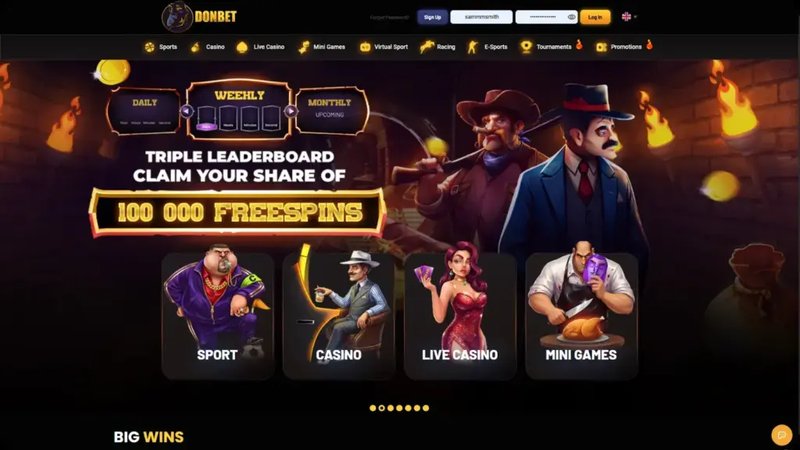
For many, the leap from watching to playing is not just about skill but also about finding a community that shares their passion. Platforms that blend streaming with interactive features—like live chat overlays, in‑stream polls, and real‑time coaching—make the transition smoother. These tools turn passive viewers into active participants, and that’s where the real growth happens. If you’re curious about how this trend is reshaping online gaming entertainment, check out Donbet for a glimpse into how live streaming is influencing the broader gaming ecosystem.
Predictive models suggest that by 2026, the global esports revenue will hit $3.5 billion, with streaming accounting for 45% of that figure. As more content creators experiment with hybrid formats—combining live play, commentary, and interactive challenges—the line between spectator and competitor will blur further. For anyone who started as a casual viewer, the next step is no longer a distant dream; it’s an accessible, data‑backed reality.
The shift from casual viewer to competitive player is already underway, driven by lower entry costs, richer learning content, and a more inclusive community culture. While challenges remain—especially around hardware and community dynamics—the trajectory is unmistakably upward. Whether you’re a seasoned gamer or a newcomer, the next time you watch a stream, remember that the skills you see are within reach.
Twitch logged 2.8 billion hours of watch time worldwide in 2023.
About 12% of total Twitch viewership was for esports.
The transition from passive spectator to active competitor is happening faster than ever, with many viewers investing in gaming rigs and tutorials within months.
The author was first drawn in by a League of Legends match before moving to Valorant.
| Tweet |
 del.icio.us
|

Subscribe to MobiAD | |

|

|
