
 Subscribe to
 Subscribe to our
When I first watched a quick clip of a League of Legends match on a friend’s phone, I thought it was just a fun distraction. Three months later, I was buying my own gaming rig and signing up for a beginner’s tutorial in Valorant. The jump from passive spectator to active competitor is happening faster than ever, and the numbers back it up.
In 2023, Twitch logged 2.8 billion hours of watch time worldwide. Of those, roughly 12% were for esports titles such as CS:GO, Dota 2, and Fortnite. That means about 336 million hours were spent watching competitive play. Parallel to this, the e‑sports player base in the United States grew from 11 million in 2019 to 14.5 million in 2023, a 32% increase. The correlation is clear: more viewers inspire more players.
One concrete example is the rise of the “pro‑to‑am” pipeline. In 2021, the average age of a professional CS:GO player was 23. By 2023, that average had dropped to 20, largely because younger viewers are now signing up for training programs after watching streams.
Three factors stand out:
If you’re looking for a place to practice and potentially win real rewards, Donbet offers a casino-style experience that blends gaming with chance.
Despite the momentum, a few hurdles remain. First, the hardware barrier: a 1440p monitor and a mid‑range GPU can cost upwards of $600. Second, the learning curve for high‑skill games like StarCraft II can be steep, with top players often having 3,000+ hours of practice. Finally, the community can be unwelcoming; a study in 2022 found that 18% of new players reported negative interactions within their first week of joining a competitive scene.
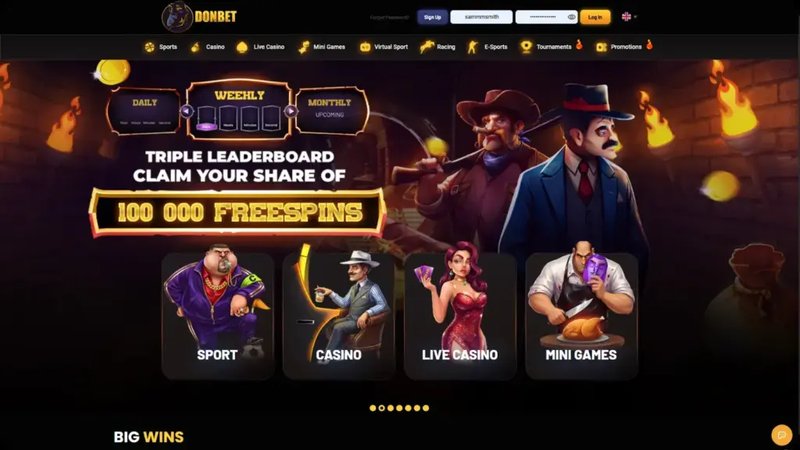
For many, the leap from watching to playing is not just about skill but also about finding a community that shares their passion. Platforms that blend streaming with interactive features—like live chat overlays, in‑stream polls, and real‑time coaching—make the transition smoother. These tools turn passive viewers into active participants, and that’s where the real growth happens. If you’re curious about how this trend is reshaping online gaming entertainment, check out Donbet for a glimpse into how live streaming is influencing the broader gaming ecosystem.
Predictive models suggest that by 2026, the global esports revenue will hit $3.5 billion, with streaming accounting for 45% of that figure. As more content creators experiment with hybrid formats—combining live play, commentary, and interactive challenges—the line between spectator and competitor will blur further. For anyone who started as a casual viewer, the next step is no longer a distant dream; it’s an accessible, data‑backed reality.
The shift from casual viewer to competitive player is already underway, driven by lower entry costs, richer learning content, and a more inclusive community culture. While challenges remain—especially around hardware and community dynamics—the trajectory is unmistakably upward. Whether you’re a seasoned gamer or a newcomer, the next time you watch a stream, remember that the skills you see are within reach.
Twitch logged 2.8 billion hours of watch time worldwide in 2023.
About 12% of total Twitch viewership was for esports.
The transition from passive spectator to active competitor is happening faster than ever, with many viewers investing in gaming rigs and tutorials within months.
The author was first drawn in by a League of Legends match before moving to Valorant.
| Tweet |
 del.icio.us
|
In 2023, the global viewership of live‑streamed esports surpassed 1.2 billion across Twitch, YouTube Gaming and Facebook Gaming. For a country with a population of 67 million, that means more than 18 % of UK residents tuned in at least once a month. Yet, when you look at the average UK viewer’s engagement, a gap appears: most watch passively, rarely interact or invest in the ecosystem that fuels the sport.
According to a recent study by the UK Digital Games Association, 73 % of UK esports fans claim they only watch streams for entertainment, not to support teams or players. That contrasts with the 54 % of viewers in the United States who actively follow a roster or sponsor. In the UK, the lack of a local league structure means fans have fewer opportunities to feel ownership over a team. If you want to see a homegrown squad compete, you’ll have to travel abroad or pay for overseas subscriptions.
London hosts only two dedicated esports arenas that can seat more than 1,000 spectators. The rest of the country relies on converted sports halls or university rooms. Consequently, live events in the UK are held roughly every 18 months, whereas in Germany or South Korea the frequency drops to once a month. This scarcity forces UK players to stream from overseas tournaments, missing out on the regional rivalries that give the sport its emotional depth.
Entry fees for UK‑based amateur tournaments average £75, a figure that is 30 % higher than the UK average for community sports leagues. When you add the cost of a high‑end gaming rig (£1,200–£1,800) and a stable internet connection (£35/month), the total investment climbs to around £1,500 in the first year. For many, this is a prohibitive amount compared to the free-to-play titles that dominate the market.
While Twitch dominates the global market with 60 % market share, UK viewers are split between Twitch (42 %) and YouTube Gaming (28 %). The remaining 30 % are on smaller platforms that lack robust monetisation tools. This fragmentation dilutes sponsorships and reduces the incentive for local brands to invest in UK talent, creating a vicious cycle of under‑funding.
Beyond watching, many UK players turn to online gaming for casual fun. If you’re looking for a quick way to unwind after a long day, you might consider exploring the world of online casino gaming, where the experience is just as engaging. ninewin casino offers a variety of slots and table games that can be played from the comfort of your home.
The rise of live‑streamed esports has opened a window of opportunity for fans worldwide. In the UK, however, passive viewing, limited infrastructure, high costs, and platform fragmentation keep many players from fully engaging. If local stakeholders—governments, sponsors, and community organisations—address these barriers, the country could transform from a spectator nation into a competitive powerhouse. Until then, UK players will continue to miss out on the immediacy and camaraderie that define the live‑streamed esports experience.
| Tweet |
del.icio.us
|
Last year, the UK’s esports community felt the tremor of a new championship format, a surge in grassroots leagues, and a wave of sponsorship deals that pushed budgets beyond the £10‑million mark. 2026 is shaping up to be the year that turns those ripples into waves. If you’re a player, a fan, or just curious about the scene, here’s what you need to know.
In 2026, the British Esports Association (BEA) launched the National Regional Circuit (NRC), a tiered league system that mirrors professional soccer leagues. Each of the 12 regions—London, Manchester, Birmingham, etc.—now hosts a quarterly tournament with a prize pool that starts at £25,000 for the first division and climbs to £120,000 for the premier tier. The structure is designed to keep local talent in the spotlight while giving them a clear path to the national finals.
While the classic titles like League of Legends and Counter‑Strike: Global Offensive remain dominant, 2026 saw a shift toward less mainstream games. The UK’s Valorant scene grew by 18% in active participants, while Rocket League introduced a new “Turbo” mode that doubled the average match length from 5 to 10 minutes, giving teams more room to strategise.
In Fortnite, a new “Battle Royale 2.0” update added a 200‑player mode that increased the competitive lifespan of each match from 15 to 25 minutes. Teams that adapt quickly are already reaping the benefits—one London squad climbed from 12th to 3rd in the national standings after mastering the new format.
Corporate interest is hotter than ever. In March, Red Bull announced a £5 million partnership with the UK Pro League, covering travel, gear, and a dedicated “Red Bull Academy” for under‑18 players. Meanwhile, Microsoft launched a “Gaming for Good” initiative, offering free Xbox Game Pass subscriptions to teams that achieve a minimum of 70% community engagement on social media.
These deals mean that players now have access to better equipment and coaching, but they also face higher expectations. Teams that fail to maintain a professional social media presence risk losing sponsorship dollars, which can be a deal‑breaker for smaller outfits.
Streaming revenue has become a significant income stream. The average Twitch subscription fee for UK esports channels has risen from £3.99 to £4.49, and the average viewer count during peak matches now averages 12,000 per stream. The BEA’s new “Streamer Certification” program, launched in June, offers a tiered badge system that rewards consistent engagement and community interaction.
However, the certification process requires teams to maintain a minimum of 20 hours of live content per month, which can strain smaller squads that already juggle training schedules.
While competitive play is still the core focus, the line between esports and casual gaming is blurring. Many fans now attend “esports nights” at local pubs, where they can watch live streams and play the featured titles on high‑end consoles. This crossover has opened new revenue streams for venues and creators alike.
For those who enjoy gaming beyond the competitive scene, there’s an intriguing option: spinboss casino login offers a chance to combine skill with chance, letting players try their hand at virtual slots and table games while staying within the UK’s regulated framework.
Looking forward, the UK esports ecosystem is poised for further expansion. The BEA plans to introduce a “Women’s Pro League” next year, aiming to increase female participation by 25%. Additionally, a partnership with the National Lottery is in talks to fund community outreach programs, potentially bringing esports into schools across the country.
For players, the key takeaway is simple: stay adaptable. Whether you’re mastering the new “Turbo” mode in Rocket League or navigating the NRC’s tiered structure, flexibility will be your biggest advantage.
2026 is shaping up to be a landmark year for UK esports. With regional leagues, game‑specific innovations, and a surge in sponsorships, the scene is richer and more competitive than ever. Whether you’re a seasoned pro, an aspiring talent, or a casual fan, there’s something here that will capture your interest. Keep an eye on the NRC playoffs, watch the new game modes unfold, and remember that the esports world is as dynamic as the players who inhabit it.
The NRC is a tiered league system introduced by the British Esports Association to boost local competition across England, Scotland, Wales, and Northern Ireland.
Sponsorships now exceed £10 million, bringing larger budgets, better prizes, and increased media coverage to UK esports events.
| Tweet |
del.icio.us
|
Last quarter, UK viewers tuned into esports streams for an average of 12 million hours per month, up 18 % from the previous year. That’s a jump of roughly 2 million additional hours, meaning more people are watching than ever before. If you’re wondering whether your local pub could host a viewing party, the data shows that 35 % of viewers are under 30 and 42 % are between 25 and 34, so the demographic is young and tech‑savvy.
Over 60 % of UK esports viewers stream on Twitch, while YouTube Gaming and Facebook Gaming together account for the remaining 25 %. The remaining 15 % split between niche services like Mixer (now shut down) and smaller community‑driven sites. Twitch’s average watch time per session is 35 minutes, twice the industry average for other streaming services.
Common Mistake: Assuming that a single platform can capture the whole audience. The split means that a well‑planned cross‑platform strategy is essential if you want to reach the full 12 million‑hour audience.
League of Legends, Counter‑Strike: Global Offensive and Valorant together pull in 48 % of all UK esports viewership. Fortnite and Call of Duty: Warzone add another 20 %, leaving the remaining 32 % spread across titles like Rocket League, FIFA 24 and Apex Legends. If you’re a streamer looking to grow, consider adding at least one of the top three titles to your lineup.
Limitation: Smaller titles struggle to attract viewers because of the high production costs required to produce competitive‑level commentary. This can push new streamers to focus on the big names.
To compete with the quality of professional streams, a 1080p, 60 fps setup is now the minimum standard. A good microphone with a noise‑gate, a dual‑monitor setup for in‑game overlays, and a reliable 5 Gbit/s internet connection are non‑negotiable. In the UK, the average cost to reach this level is around £700 for a mid‑range PC, £150 for a headset, and £30/month for a stable broadband plan.
Viewer retention drops sharply after the first 10 minutes unless interactive elements are introduced. Live polls, real‑time chat moderation, and exclusive subscriber rewards can raise average session length by 12 %. The most successful UK channels run a weekly “viewer Q&A” segment that averages 8 minutes of live interaction.
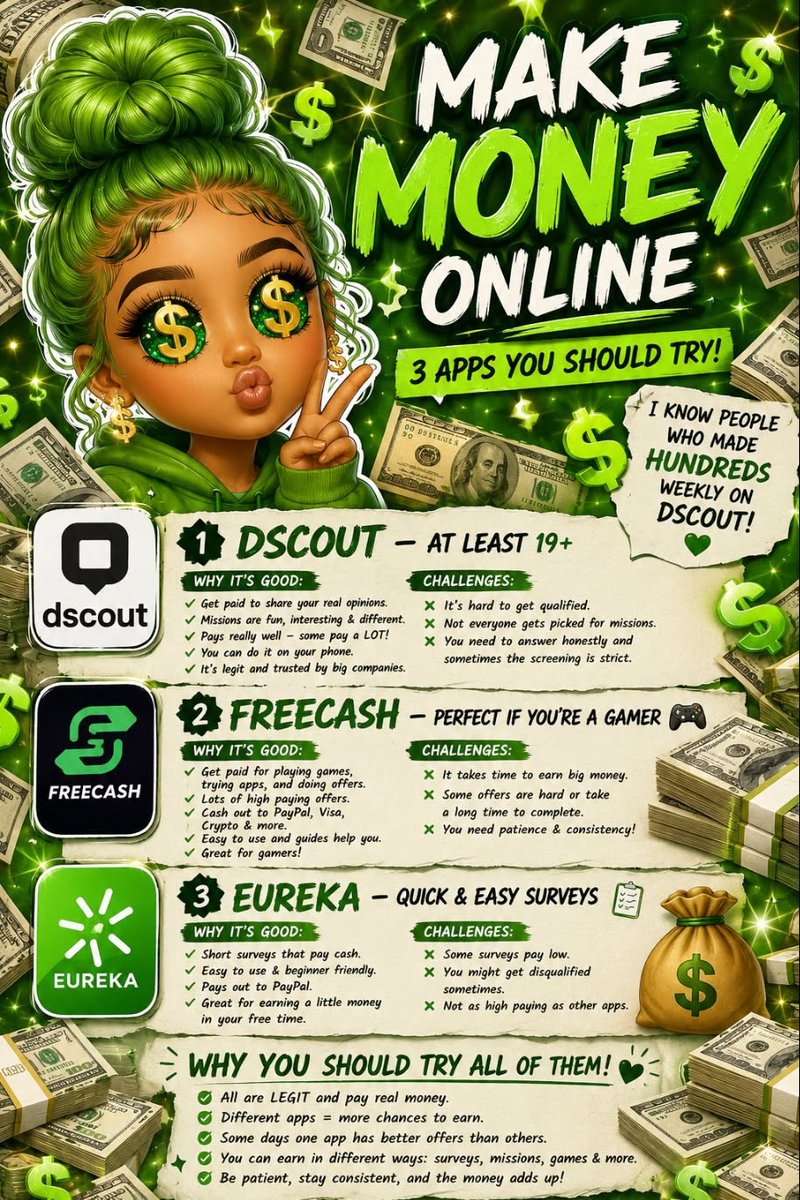
Subscriptions now account for 35 % of revenue on Twitch, while ad revenue and sponsorships each contribute 25 %. Merchandising, however, is a growing niche: top UK streamers sell branded apparel that generates an additional 10 % of their total income. If you’re just starting, focus on building a loyal subscriber base before launching merch.
Virtual reality (VR) tournaments are slated to launch on Twitch by late 2025, targeting a 5 % increase in viewer engagement. Meanwhile, esports betting is projected to add an extra 2 % to overall viewership, as fans look to test their predictions. Staying ahead of these trends means keeping an eye on platform updates and new game releases.
Live streaming esports is no longer a niche hobby; it’s a multi‑million‑hour industry that’s reshaping how we consume gaming content. Whether you’re a casual fan, a budding streamer, or a content creator looking to diversify, the data points to a clear path forward: invest in the right tech, diversify across platforms, and keep your audience engaged with interactive features. And if you’re craving a quick bite while you watch the next big match, check out mystake for a tasty sidekick to your gaming marathon.
Last quarter, UK viewers watched esports streams for an average of 12 million hours per month.
The largest share is viewers under 30 (35%) and those aged 25-34 (42%).
More than 60% of UK viewers stream on platforms such as Twitch and YouTube Gaming.
It indicates a rising audience that local pubs and event venues can tap into by hosting viewing parties.
| Tweet |
del.icio.us
|
The pandemic has brought about a seismic shift in the way British gamers engage with their favourite games. What was once a PC-centric community has given way to a more diverse and dynamic landscape, with mobile gaming emerging as a major player. As lockdowns, social distancing, and remote work become the new norm, gamers are looking for alternative ways to connect with others and compete at the highest level.
Mobile gaming, once the poor cousin of the gaming world, has undergone a remarkable transformation. The proliferation of high-performance mobile devices has enabled games to offer immersive experiences that rival those found on PC and console systems. With the likes of smartphones and tablets becoming increasingly powerful, it’s no wonder that mobile gaming has become the go-to choice for many British gamers. This shift has also led to the emergence of mobile casinos, such as mr jones casino, which offer a new way for gamers to engage with their favourite games.

The shift towards mobile gaming has also had a profound impact on the online gaming community. Platforms like TikTok and YouTube have become hubs for gamers to share their experiences, strategies, and achievements. Whether you’re a seasoned pro or just starting out, these communities offer a space to connect with others, learn from their mistakes, and improve your skills. For those looking to take their gaming to the next level, online communities like Twitch offer a wealth of resources and inspiration.
While mobile gaming has opened up new avenues for British gamers, it also presents several challenges. The lack of standardisation in mobile hardware can create inconsistencies in game performance, and the rise of in-app purchases has raised concerns about the monetisation of mobile games. However, these challenges also present opportunities for innovation and growth, as developers and gamers work together to create new and exciting experiences.
In conclusion, the rise of mobile esports in Britain is a direct result of the pandemic’s demands. Gamers are seeking out alternatives to traditional gaming methods, and mobile devices have provided the perfect solution. While there are challenges to be addressed, the opportunities presented by mobile gaming are too great to ignore. For those looking to join the mobile gaming community, the choice is clear: it’s time to take your gaming to the next level.
| Tweet |
del.icio.us
|
The UK’s gaming scene is buzzing with excitement, as top British gamers and teams consistently deliver outstanding results in international tournaments. It’s a testament to the country’s rich gaming culture, which has been building momentum for decades. Here’s a look at the factors driving the UK’s esports revolution.
Gaming in the UK dates back to the 1970s, when coin-operated arcade machines first appeared in local pubs and amusement arcades. As technology advanced, the UK’s love affair with gaming only grew stronger. The rise of console gaming and PC multiplayer in the 1980s and 1990s cemented Britain’s position as a hub for competitive gaming. Today, the country is home to a thriving gaming community, with numerous local tournaments, leagues, and events that draw in thousands of spectators and competitors.
One of the most significant developments in the UK’s esports landscape is the emergence of top-tier teams like Fnatic, Team Liquid, and Astralis. These powerhouse teams have dominated international competitions in games like League of Legends, Dota 2, and Overwatch, earning a reputation for their exceptional skill, strategy, and teamwork. British gamers have also claimed numerous individual titles, including several World Championship crowns and Grand Slam victories.

British universities have long been recognized as hotbeds for gaming talent, and many have established dedicated esports departments and programs to support their students. The University of Surrey, for example, boasts a state-of-the-art esports arena and a team of coaches, analysts, and mentors who help students develop their skills and compete at the highest levels. This investment in esports infrastructure has paid dividends, with several top UK teams featuring alumni from British universities.
As the UK’s esports scene continues to grow, many British gamers are giving back to their communities through charitable initiatives and outreach programs. One notable example is the UK Esports Foundation, which provides funding and support for UK-based gamers and teams, as well as promoting esports education and development opportunities throughout the country. British gamers are also using their platforms to raise awareness and funds for various social causes, including mental health support and accessible gaming initiatives.
When it’s time to experience the thrill of competitive gaming in a more immersive setting, enthusiasts head to events that bring the action to life with high-tech installations like LED light displays and sound systems. Hosting events like esports tournaments can be a great way to attract a large and enthusiastic crowd, and for this, you can opt for https://www.swankymarquees.co.uk to set up the perfect entertainment setting.
As the UK’s esports scene continues to thrive, the question on everyone’s mind is: what’s next? With the country’s rich gaming culture, exceptional team talent, and growing community engagement, the future of British esports looks brighter than ever. Whether you’re a seasoned pro or a newcomer to the world of competitive gaming, one thing is certain: the UK’s esports revolution is just getting started.
The UK’s rich gaming culture, which dates back to the 1970s, has been building momentum for decades, driven by advancements in technology and a growing community of passionate gamers.
Coin-operated arcade machines first appeared in local pubs and amusement arcades in the 1970s, making gaming accessible to the masses and paving the way for the modern gaming scene.
| Tweet |
del.icio.us
|
The UK’s gaming culture has always punched above its weight, producing talented gamers and teams that consistently perform on the world stage. From the early days of arcade tournaments to the modern esports scene, the country’s competitive spirit has remained a constant. But a new force has emerged in recent years: mobile esports. What was once seen as a niche market has quickly evolved into a major player in the UK gaming scene, with mobile esports tournaments and leagues popping up all over the country.
The UK’s mobile gaming market has experienced exponential growth over the past five years, and it’s easy to see why. With the proliferation of affordable, high-quality smartphones and gaming hardware, the barriers to entry have never been lower. As a result, popular titles like Clash of Clans and PUBG Mobile have amassed millions of active players, creating a thriving community of mobile gamers.
As the mobile gaming community has grown, so too has the popularity of mobile esports. Industry giants like Epic Games and Riot Games have taken notice, investing heavily in mobile esports initiatives. The UK has been at the forefront of this revolution, with events like the UK Mobile Masters and the British Esports Mobile Championships drawing in top talent from across the country.
So, what makes mobile esports so appealing? For one, it’s incredibly accessible – with millions of people already owning a smartphone, the barrier to entry is almost nonexistent. This accessibility has helped create a massive and diverse player base, with people from all walks of life able to participate and compete. And with shorter matches and a more relaxed atmosphere, mobile esports events are a great introduction to competitive gaming for newcomers.
But mobile esports isn’t just about the gaming itself – it’s also about the community and the real-world connections it creates. Take, for example, the high-speed driving experiences offered by https://www.plymouthmegaride.co.uk – where drivers can push their skills to the limit and experience the rush of real-world competition. The thrill of competition and the adrenaline rush experienced by gamers can translate to other areas of life, inspiring people to try new things and push themselves to new heights.
As the popularity of mobile gaming continues to grow, it’s clear that mobile esports is here to stay. With major investments from industry heavyweights and a thriving community of gamers, the UK is poised to become a major player in the international mobile esports scene. With events like the UK Mobile Masters and the British Esports Mobile Championships set to continue, we can expect to see even more exciting developments in the world of mobile esports.

The rise of mobile esports in the UK has been a remarkable phenomenon, with a thriving community of gamers and a growing industry that shows no signs of slowing down. As the popularity of mobile gaming continues to grow, it’s clear that mobile esports is here to stay – and the UK is at the forefront of this revolution.
| Tweet |
del.icio.us
|

Subscribe to MobiAD | |

|

|
